Heat Exchangers

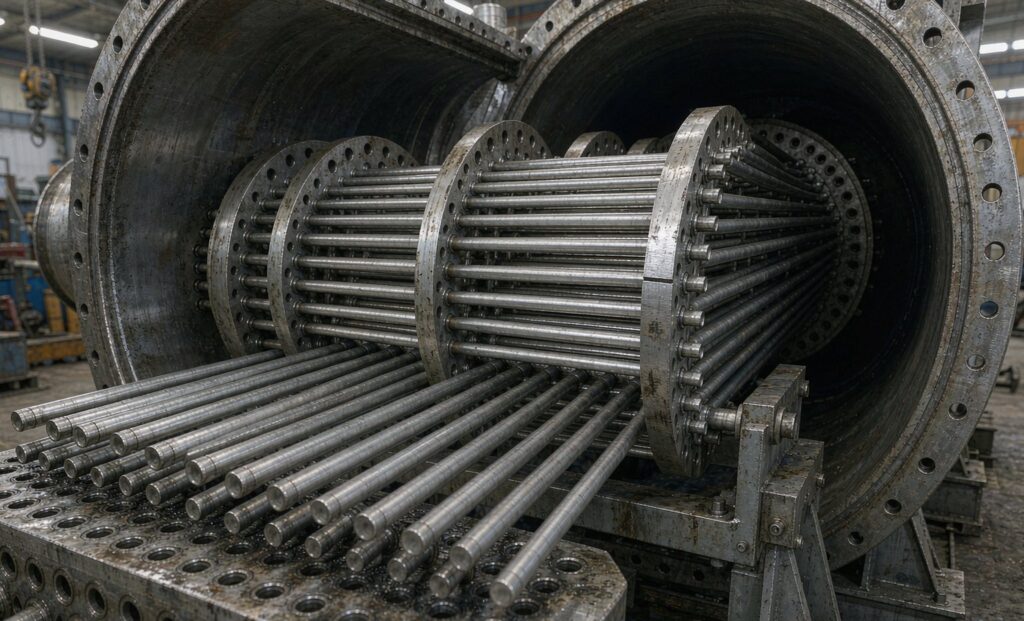
shell and tube heat exchanger baffle spacing

Shell and tube heat exchanger baffle spacing: how it is chosen, and what it costs you when it is wrong

Shell and tube heat exchanger baffle spacing is one of the first numbers fixed in a thermal design and one of the last anyone revisits, and it simultaneously controls the shell-side heat transfer coefficient, the shell-side pressure drop, the unsupported tube span and how easily the bundle can be cleaned. Change it to gain area

Shell and tube heat exchanger baffle spacing: how it is chosen, and what it costs you when it is wrong Read More »

air cooled screw chiller for mine cooling

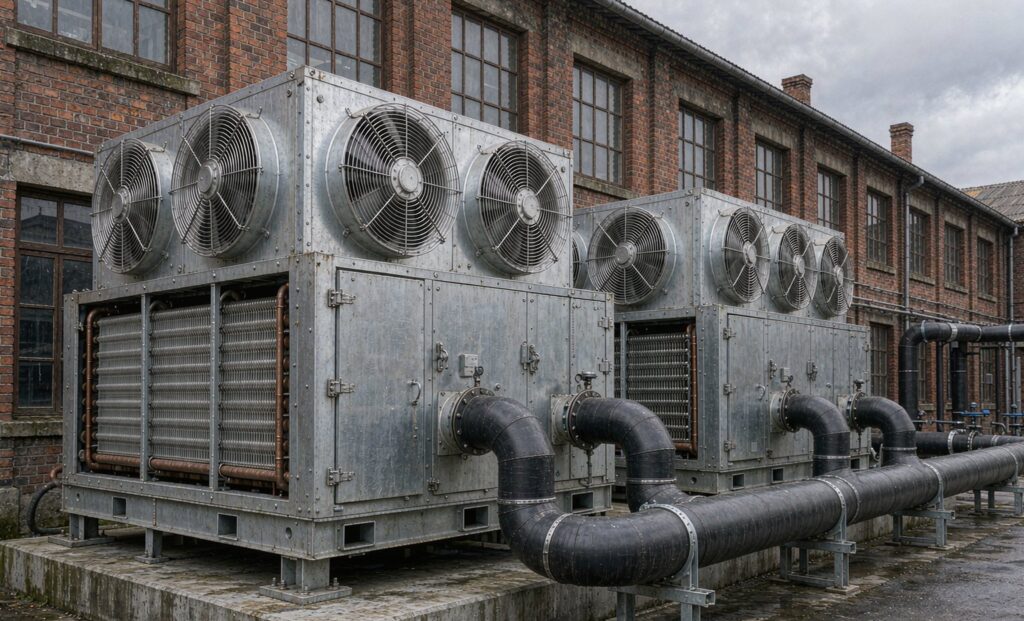
Air cooled screw chiller for mine cooling: load profile, ambient derating and the specification that survives the site

An air cooled screw chiller for mine cooling is usually bought against a single number — “we need 800 kW” — and then spends its life being asked to deliver that number at 46 °C ambient, at part load, with a dust-loaded condenser coil and a chilled water flow that is 12% below design. Every

Air cooled screw chiller for mine cooling: load profile, ambient derating and the specification that survives the site Read More »

air cooled screw chiller textile mill

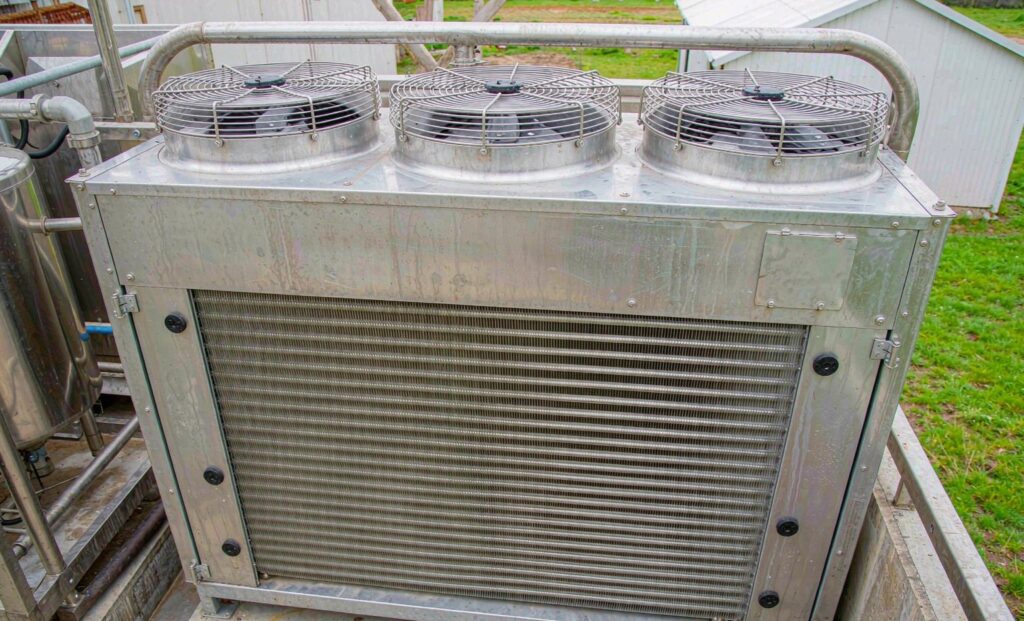
Air cooled screw chiller for a textile mill: load profile, humidity control and getting the size right

An air cooled screw chiller for a textile mill is usually bought to solve a temperature complaint and then spends its life being judged on humidity. That mismatch is where most of the disappointment comes from. A mill does not fail because the hall is 2 K warm; it fails because the relative humidity drifted,

Air cooled screw chiller for a textile mill: load profile, humidity control and getting the size right Read More »

plate heat exchanger standard api 662

Plate heat exchanger standard API 662: what it covers and how to specify a unit to it

The plate heat exchanger standard API 662 is the document most refinery plate units are bought against, and it is also one of the most loosely applied specifications in a procurement package. Buyers reference it, suppliers acknowledge it, and the unit that arrives is frequently a good gasketed plate exchanger that was never actually designed

Plate heat exchanger standard API 662: what it covers and how to specify a unit to it Read More »

heat exchanger third party inspection

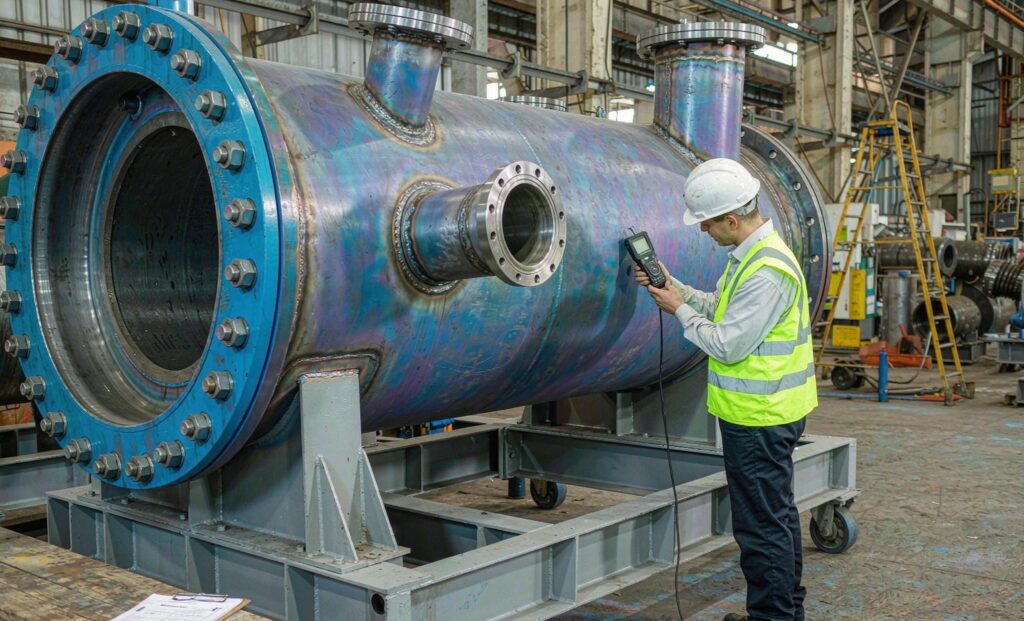
Heat exchanger third party inspection requirements: what a TPI witness point actually covers

Third party inspection on a heat exchanger is frequently bought as a certificate and delivered as a series of photographs of a nameplate. The gap between those two things is the gap between a document that satisfies a procurement checklist and an inspection that would actually stop a non-conforming unit leaving the shop. Understanding heat

Heat exchanger third party inspection requirements: what a TPI witness point actually covers Read More »

air cooled screw chiller for pharmaceutical plant

Air cooled screw chiller for a pharmaceutical plant: selection rules that survive an audit

An air cooled screw chiller for a pharmaceutical plant is usually bought for reasons that have nothing to do with the compressor. It is bought because the plant has no cooling tower and cannot get a water permit, because the roof is the only free space, because a water-cooled machine would need a condenser water

Air cooled screw chiller for a pharmaceutical plant: selection rules that survive an audit Read More »

heat exchanger hydrostatic test pressure asme

Heat exchanger hydrostatic test pressure under ASME: how the number is set

Heat exchanger hydrostatic test pressure under ASME is a calculated number, not a round one. It is derived from the maximum allowable pressure of the vessel, adjusted by the ratio of allowable stress at the test temperature to allowable stress at the design temperature, and then held below a ceiling set by the yield strength

Heat exchanger hydrostatic test pressure under ASME: how the number is set Read More »

Save to list